
Sleep Pirates: Is this happening to you?
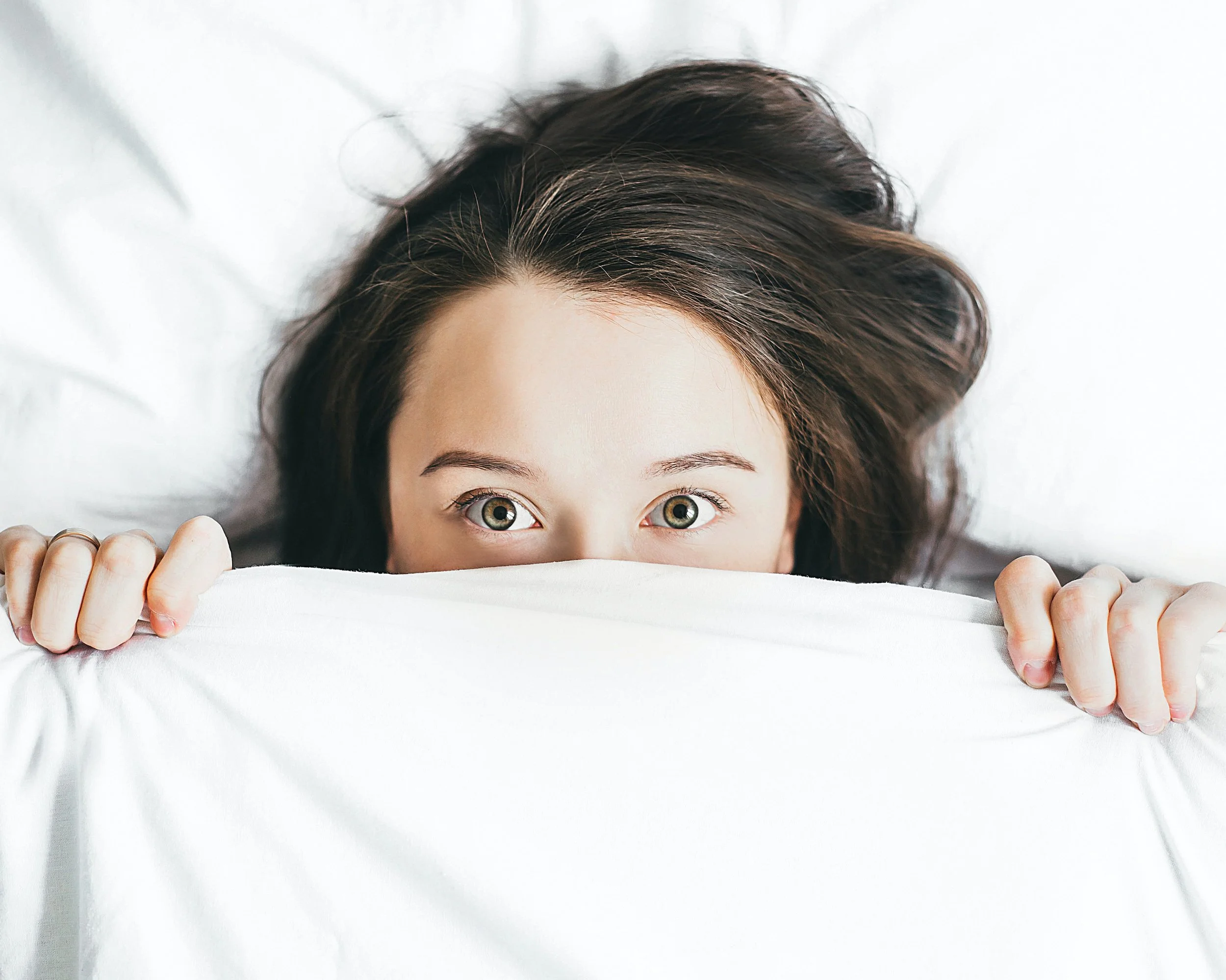
Guard your sleep …
Feeling like a zombie during the day? Being forgetful, clumsy, short-tempered and gaining weight may be signs that you’re just not getting enough good quality sleep! We all need sleep to live and to function. The culprits that are causing your lack of quality sleep are probably stealing some quality of life from you as well. Never fear … help is on the way!
Here are the MOST effective and easiest tips for improving your sleep. I encourage you to join me in the “10 Days to Better Sleep” challenge! There are several items here, but you don’t have to use them all of them at once. Depending on your current routine, pick at least 3 to try out. Use them every night for 3 nights in a row, and see how much better you sleep. Even better - keep a sleep journal and note when you went to bed, got up, what steps you practiced, how you felt upon waking, etc. You may be surprised to find how fast better quality sleep can make a difference in your life.
1. Practice regular sleep rhythms—go to bed and wake up at the same time each day. Make plans around getting from 7-9 hours of sleep, when possible.
2. No TV in the bedroom (try to keep all technology in a different room including phones).
3. Create an aesthetic environment in your bedroom that encourages sleep, such as serene, restful colors and no clutter (try to keep family photos in a different room too).
4. Create total darkness and quiet—consider using eyeshades and earplugs.
5. Your bedroom should be slightly cool, rather than warm. A slight drop in your core temperature is a signal for the body to sleep, and promotes more restful deep sleep.
6. Avoid caffeine or reduce it after noon—it may make sleep restless and worse.
7. Avoid alcohol—it may aid in getting to sleep, but tends to make your sleep interrupted, less deep, and of poor quality.
8. Get regular exposure to daylight for at least 20 minutes daily - morning sun is the most effective. The light from the sun enters your eyes and triggers your brain to release specific chemicals and hormones like melatonin that are vital to healthy sleep, mood, and better health as we age.
9. Eat no later than two hours before bed—eating a heavy meal prior to bed will lead to a bad night's sleep and will impede the body’s overnight detoxification process.
10. Power Down Hour: At least 1 hour before bed, stop looking at electronic screens including watching TV. Engage in relaxing activities, such as reading or listening to a book. Write your worries down. Put to paper what is causing you anxiety and make plans for what you can do the next day to reduce your worry. It will free up your mind and energy to move into deep and restful sleep.
11. Take a hot salt or aromatherapy bath. Raising your body temperature before bed helps to induce sleep. A hot bath relaxes muscles and reduces physical and psychic tension. Add 1/2 - 1 cup Epsom salt (magnesium sulfate) and 1/2 - 1 cup baking soda (sodium bicarbonate) to your bath for an alkaline- balancing, sleep inducing effect.
12. Get a massage, stretch or have good sex before bed.
13. Warm your tummy with a hot water bottle, which raises your core temperature and helps trigger the proper chemistry for sleep. Also, weighted blankets can be helpful for more sound sleep.
14. Avoid medications that interfere with sleep. These include sedatives (used to treat insomnia, but ultimately lead to dependence and disruption of normal sleep rhythms), antihistamines, stimulants, cold meds, steroids, headache medication containing caffeine.
15. Take relaxing minerals such as magnesium (glycinate or citrate are good) and calcium. Taking melatonin for a short time may also help regulate your sleep cycle. (Note: If you want to use melatonin, try 1.5 mg about 2 hours before bed)
16. Listen to relaxing music, white noise or ocean sounds to help you sleep.
17. Mind still too active at night? Write a “To Do” list for things coming up tomorrow and later in the week. Get those thoughts, plans out of your head and on to paper. Just 5 minutes of this can make a difference. This will help you get some clarity, clear the clutter and calm your mind.
PLEASE NOTE: If you experience excessive daytime sleepiness, fatigue, snoring, and have been seen to stop breathing in the middle of the night by your spouse or partner, then consider getting tested for a sleep disorder such as sleep apnea.
